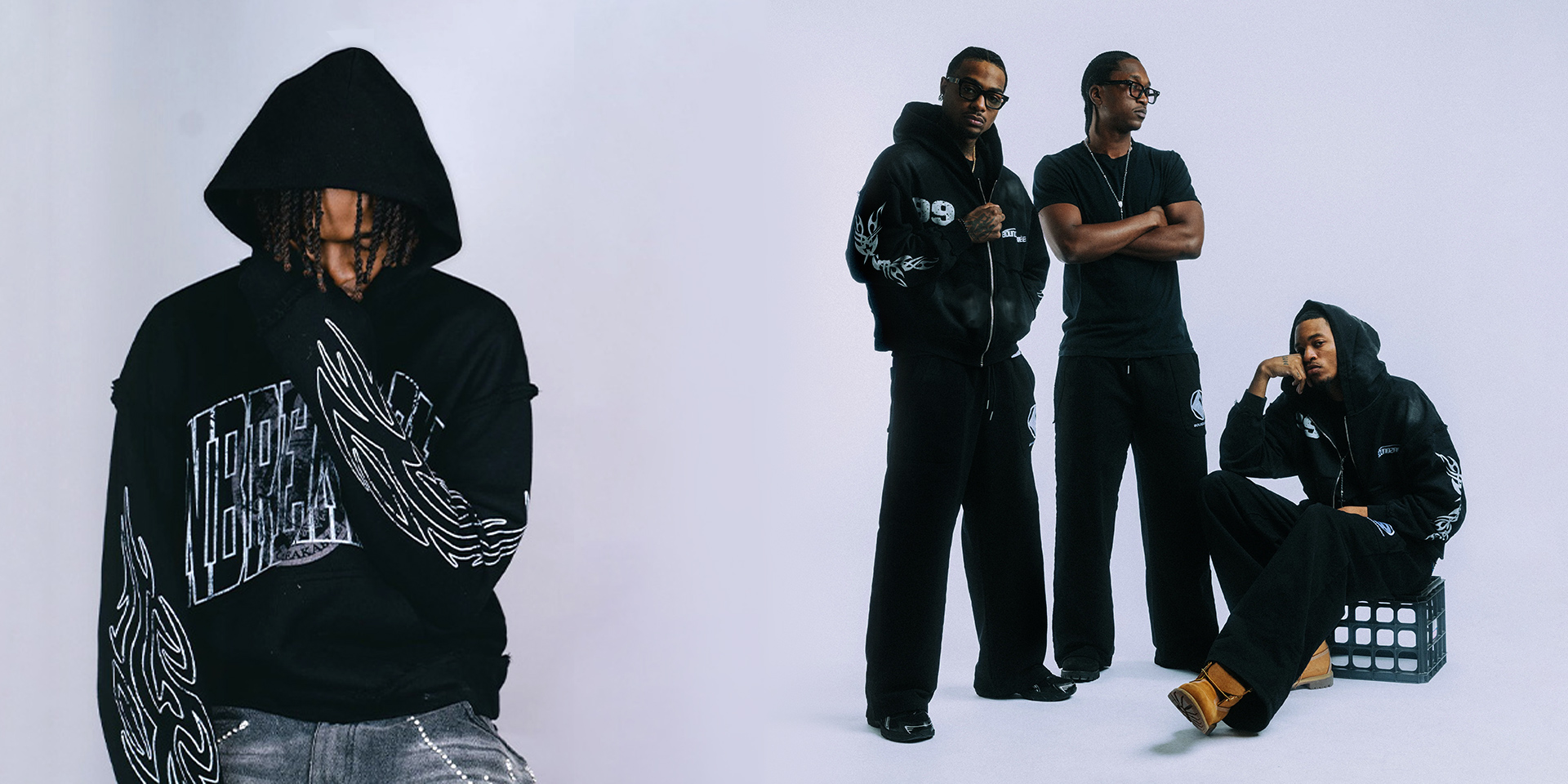
A Great Sample Is Not a Scale Strategy: How to Judge Real Manufacturing Readiness
Many brand teams find out too late that a factory capable of producing a stunning sample is not necessarily equipped to handle a full production run. In the streetwear sector, where complex washes, heavyweight fabrics, and precise graphic placements define the product, the gap between sample room excellence and scale readiness is often where collections fall apart. A factory might execute a perfect acid wash hoodie in isolation, but without a clear setup for materials handoff, process control, and category-based execution, that same factory can struggle to maintain consistency across a 500-piece order. The sample looked right. The bulk run did not.
What sounds like a simple sourcing question often turns into a costly operational bottleneck. As consumer expectations shift toward higher quality and more intricate designs, the demand for premium streetwear production has moved well beyond simply finding a facility that can sew. Procurement teams and creative directors are realizing that evaluating a manufacturing partner requires looking past the initial prototype. This article breaks down why sample-making skills do not automatically translate to bulk production capabilities, what scale readiness actually looks like in practice, and how brands with established sales channels can identify a true streetwear clothing manufacturer before committing to a larger run.
Why Do Good Samples Not Automatically Mean Good Scale Readiness?
A good sample proves a factory understands the design and construction of a single garment, but scale readiness requires material flow management, pre-production organization, multi-stage reviews, and category-specific process discipline. For complex streetwear projects, the gap between making one perfect piece and replicating it consistently across hundreds of units is significant and often underestimated.
When a brand receives a high-quality sample, it is easy to assume the factory has mastered the product. But the sample room operates under entirely different conditions than the main production floor. A sample maker is typically a highly skilled technician who handles the entire garment from start to finish, carefully adjusting the pattern, fabric, and trims to achieve the desired result. They have the time and flexibility to focus on single-piece development, ensuring the fit and finish align with the tech pack.
Bulk production is a fragmented process. It involves different teams handling cutting, sewing, washing, printing, and finishing—often simultaneously across multiple workstations. If the factory lacks a structured system to translate the sample's success into clear bulk standards, the final product will inevitably suffer. This is especially true for streetwear, where the visual identity relies on specific details: the exact placement of a screen print, the texture of a vintage wash, or the drape of a heavyweight cotton tee. Without strong communication and escalation systems, minor discrepancies at the sample stage can multiply into major defects during a full production run.
The core issue is that sample room excellence tests craft. Scale readiness tests systems. These are two different things.
What Does "Scale Readiness" Actually Mean in Streetwear Manufacturing?
Scale readiness means a factory has concrete systems to translate sample-stage decisions into bulk standards, manage complex materials and trims, apply category-specific execution setups, and identify production risks before bulk cutting begins. It is about having a structured path from development to delivery—not just the ability to produce a great prototype.
To determine if a factory is truly ready for scale, brands need to look for specific operational capabilities rather than just a willingness to take the order. Scale readiness is not abstract; it is visible in how a factory organizes its workflow.
How Do They Handle Pre-Production Translation?
A scale-ready factory does not simply hand the approved sample to the production line and hope for the best. They have a formal process for translating the key decisions made during the sample stage into clear bulk standards. This involves creating detailed pre-production (PP) samples, establishing acceptable tolerance levels for measurements, and documenting the exact sequence of operations required to replicate the finish. If a hoodie required a specific garment dye sequence followed by enzyme washing, that sequence needs to be written down, tested, and approved before bulk cutting starts.
Can They Manage Complex Material and Trim Handling?
Streetwear often involves heavy fabrics, washed materials, and trim-heavy designs. A factory prepared for scale will have a clear production path for these elements. They understand how different fabrics behave during cutting and sewing, how to manage shrinkage during garment dyeing or washing, and how to coordinate the arrival of custom hardware—zipper pulls, woven labels, custom buttons—to avoid production delays. A factory that has not thought through this coordination in advance will often face last-minute substitutions that compromise the product.
Do They Have Category-Specific Execution Setups?
A factory that runs a basic t-shirt and a complex denim jacket through the same production logic is likely not scale-ready for streetwear. Different categories require different setups, different skill sets, and different quality control checkpoints. A premium streetwear clothing manufacturer will have dedicated processes for tees, hoodies, denim, and outerwear, recognizing that the equipment and expertise required vary significantly between these items.
Is There Clear Problem Visibility Before Bulk?
The best manufacturers do not wait for a problem to surface during bulk production; they anticipate it. They have mechanisms in place to identify the points most likely to weaken the product's direction before bulk cutting starts. This might involve flagging a potential issue with a specific print technique on a new fabric blend, or suggesting a slight pattern adjustment to improve the drape of an oversized fit. Brands that have worked with China-based streetwear factories at this level will recognize this kind of proactive communication as a strong signal of scale readiness.
How Does Product Category Change What Scale Readiness Looks Like?
Scale readiness varies by product type. For t-shirts, it focuses on fabric and graphic consistency. For hoodies, it involves coordinating washes and trims. Denim requires stage-by-stage control of abrasion and hardware, while outerwear demands organized management of linings and complex construction. A factory's readiness for one category does not guarantee readiness for another.
Understanding that scale readiness is not a universal metric is crucial for procurement teams. The specific challenges of scaling production depend heavily on the product category.
What to Look for When Scaling T-Shirts?
While a t-shirt might seem straightforward, scaling a premium streetwear tee requires strict control over fabric weight, neck rib behavior, and graphic placement. A scale-ready factory ensures that the heavy cotton maintains its structure after washing and that the screen print or DTG application remains consistent across hundreds of units—without cracking, fading, or shifting position. The difference between a 220gsm and a 260gsm tee is not just weight; it affects how the garment behaves during finishing and how the print sits on the body.
What Are the Scale Requirements for Hoodies?
Hoodies introduce more variables: hood shape, rib tension, and the coordination of zippers, washes, and graphics. A factory ready to scale hoodie production will have a clear rollout logic. They will know how to manage the shrinkage of French terry or heavyweight fleece during an acid wash process and ensure that the zipper tape does not pucker after the garment is finished. If the brand's design relies on a specific hood drape or a particular rib weight, those details need to be locked in before bulk starts—not discovered as problems after the fact.
How Is Denim Scaled Effectively?
Denim production is notoriously complex due to the extensive washing and distressing processes involved. Scale readiness in denim means having a stage-by-stage control system for the pattern, the wash development, and the hardware application. The factory must be able to replicate a specific vintage fade or distressing pattern consistently, ensuring that the abrasion does not compromise the structural integrity of the jeans. Stone wash, enzyme wash, and hand-sanding each require different controls, and a factory without clear process documentation will produce inconsistent results at volume.
What Defines Scale Readiness for Outerwear?
Outerwear projects—varsity jackets, complex cut-and-sew pieces, heavyweight coaches jackets—require a high level of organizational discipline. A scale-ready factory must coordinate the sourcing and application of various trims, linings, and embellishments. They need a structured approach to manage the construction sequence, ensuring that different materials align correctly and that the final garment maintains its intended silhouette. For US and UK streetwear brands developing outerwear with multiple trim details, this level of coordination is non-negotiable.
What Signals Suggest a Factory Can Develop Well but May Not Be Ready to Scale Smoothly?
Red flags include vague answers about bulk processes, a lack of defined pre-production checkpoints, unclear management of complex finishes, and a tendency to say "yes" without explaining how the product will actually be executed at volume. These signals are easy to miss when a sample looks great.
Identifying a factory that is a sample specialist rather than a true development-and-scale partner requires paying attention to how they communicate during the initial stages of engagement.
One of the most common signals is a factory that produces an excellent sample but gives vague or evasive answers when asked about bulk production. If they can discuss the craftsmanship of the sample in detail but struggle to explain their pre-production organization, they likely lack the necessary systems for scale. Ask them to walk you through what happens between sample approval and the first day of bulk cutting. A factory with real scale readiness will have a clear, specific answer.
Another warning sign is a lack of focus on process checkpoints. A scale-ready factory will want to establish clear approval stages for fabrics, trims, and print strike-offs before bulk begins. If a factory rarely mentions these checkpoints and instead focuses solely on their ability to "make it happen," they may be relying on ad-hoc problem-solving rather than a structured production plan. That approach works for a single sample. It does not work for 300 units.
Furthermore, if a factory does not have a clear strategy for managing heavy fabrics, complex washes, or intricate embroidery during the production phase, they are likely not equipped for streetwear at scale. A factory that treats a washed, heavyweight hoodie the same way it treats a basic garment will inevitably struggle with consistency. They should be able to explain their category-specific execution logic, not just their general production capability.
What Do Better Development-and-Scale Manufacturers Usually Show Early?
Mature streetwear apparel manufacturers clearly outline the next production steps after sampling, specify which approvals must be locked in, translate key design decisions into concrete production review points, and demonstrate how the project will hold together at volume—not just at the prototype stage.
When evaluating a potential partner, brands should look for proactive communication and a structured approach to the transition from development to scale. An industry breakdown of specialized streetwear production partners often highlights this distinction as one of the most important factors separating capable manufacturers from truly reliable ones.
A strong manufacturing partner will not just hand over a sample and wait for an order. They will clearly articulate the next steps required to move into production. This includes identifying which elements of the design must be finalized immediately and which can be adjusted slightly during the pre-production phase. They will flag risks proactively—for example, noting that a specific fabric might behave differently during bulk washing than it did during the sample stage, and proposing a test wash before committing to the full run.
More importantly, they will translate the critical decisions made during the sample stage—the specific hand feel of a fabric, the exact shade of a wash, the tension of a rib knit—into concrete production review points. They understand that maintaining the integrity of the design requires specific quality control measures at each stage of the manufacturing process, not just a final inspection at the end.
Ultimately, a better development-and-scale manufacturer demonstrates how the project will hold together once volume enters the picture. They do not just showcase their sample craftsmanship; they showcase their production systems, their risk management strategies, and their understanding of the specific challenges associated with streetwear. Some manufacturers, such as Groovecolor, focus specifically on heavyweight fabrics and complex finishing techniques used in modern streetwear collections, ensuring that the transition from sample to bulk is managed with precision rather than optimism.
How Should Clothing Brands Test Scale Readiness Before Committing?
Brands should ask how the factory handles pre-production reviews, what changes between the sample room and bulk setup, which product types are hardest for them to scale, and how they protect key product decisions during volume production. These questions reveal far more than asking whether a factory "can handle large orders."
Instead of simply asking, "Can you handle a big order?" procurement teams should ask targeted questions that reveal the factory's operational depth and understanding of streetwear manufacturing.
Ask How the Factory Handles Pre-Production Reviews?
Inquire about their specific process for moving from a prototype to a pre-production sample. Ask what documentation they require, how they establish tolerance levels, and who is responsible for signing off on the final bulk standards. A factory with real scale readiness will have a clear, documented answer. A factory that is primarily a sample specialist will give a vague one.
Ask What Changes Between Sample Room and Bulk Setup?
A transparent factory will acknowledge that the sample room and the production floor operate differently. Ask them to explain how they transfer the knowledge and techniques used to create the sample to the workers on the main line. If their answer is essentially "we just tell them to follow the sample," that is a red flag.
Ask Which Product Types Are Hardest for Them to Scale Well?
This question tests honesty and self-awareness. Every factory has strengths and weaknesses. If they claim that everything is easy to scale, they are either not being truthful or do not fully understand the complexities of different product categories. A factory that can identify their own limitations is far more trustworthy than one that claims unlimited capability.
Ask How They Protect Key Product Decisions Once Bulk Starts?
Find out what mechanisms they have in place to ensure that the critical elements of the design—a specific wash effect, a precise print placement, a particular fabric weight—are maintained across the entire production run. Ask about their in-line inspection processes and how they handle deviations from the standard. For established streetwear brands with proven market demand, this level of execution consistency is what separates a reliable manufacturing partner from a one-time sample success.
Why Does Scale Readiness Matter More for Some Product Types Than Others?
While basic items carry lower production risk, complex streetwear products like washed hoodies, denim, outerwear, and trim-heavy garments rely heavily on scale discipline. For these items, a factory's ability to manage volume consistently is often more critical than their sample room aesthetics.
The importance of scale readiness is directly proportional to the complexity of the product. A clean, basic t-shirt has a relatively straightforward production path. While quality control is still necessary, the risk of major discrepancies between the sample and the bulk order is lower compared to more complex categories.
For complex streetwear projects, the situation is entirely different. Products that involve multiple processes—a hoodie that requires custom dyeing, acid washing, screen printing, and distressing—demand a high level of coordination and control. If the factory lacks scale discipline, the wash might be uneven, the print might crack, or the fabric might shrink unpredictably. Each of these outcomes damages the brand's product integrity and, ultimately, its market position.
For brands with validated demand and clear design direction, the ability to consistently deliver high-quality, complex products is essential. In these cases, a factory's readiness for scale is not just a logistical advantage; it is a critical component of the brand's commercial success. A beautiful sample is useless if the factory cannot replicate it reliably across hundreds of units. The real cost of choosing a sample specialist over a true development-and-scale partner is not the sample itself—it is the rework, the delays, and the disrupted launch timeline that follow.
Final Takeaway
The ability to create a compelling sample and the ability to execute a consistent bulk production run are two distinct capabilities. For streetwear brands, assuming that one automatically guarantees the other is a common and costly mistake. The transition from development to scale requires a specific set of operational capabilities: category-specific production setups, rigorous pre-production review discipline, and process checkpoints that hold key product decisions together as volume increases.
When evaluating a potential manufacturing partner, brands must look beyond the sample room. They need to assess whether the factory has the systems and the expertise to manage the complexities of streetwear manufacturing at scale. By asking the right questions and focusing on the factory's ability to translate design intent into production reality, brands with established sales channels can find a partner capable of supporting their long-term product direction and maintaining the integrity of their collections—run after run.
Beyond the Tech Pack: How Much Creative Room Can a Manufacturer Who Truly Understands Streetwear Open Up for a Brand?
Making clothes has never been about mechanically checking off tasks. It is about building a collection with real visual impact and a sharper point of view. For streetwear brands, creative teams, product developers, and sourcing teams, the distance between an idea taking shape and a finished garment hitting the rack is where brand culture actually gets built. We are talking about individuality. About statement. About creative expression that breaks the mold. About culture rooted deep in the street.
But reality is usually a lot harsher than the concept board. To turn that kind of high-tension creative energy into a physical product that feels substantial in hand and carries real attitude on body, you need more than a factory that knows how to run a sewing machine. You need a partner who speaks the same language you do. A streetwear manufacturer with a real feel for fashion direction never stops at simply following instructions. What they bring to a brand is an exponential expansion of development possibilities and product potential. They know how to find that ruthless balance point between technique and creativity, so your design is no longer boxed in by production limits.
The Anatomy of a Silhouette: When Manufacturing Becomes the Way the Idea Happens
When a creative director starts building out a new-season drop, they are not picturing some forgettable basic. The image in their head is highly specific and charged with emotion. It is a heavily washed boxy hoodie with the perfect drape. A cropped football-inspired jersey with clean proportions that lands right inside the blokecore wave. A distress-heavy zip hoodie that looks like it has lived a full decade, with edge wear hitting exactly where it should. They are seeing flare denim with exaggerated stacking that falls perfectly over a chunky sneaker. Or an applique varsity jacket loaded with vintage emotion and detail work that goes all the way in.
These are not just garments. They are carriers of street culture. And that is exactly the point where manufacturing stops being some cold industrial step and becomes the actual method for bringing creative ideas to life.
Real expertise is not throwing “we do embroidery” onto a PowerPoint slide. It is understanding how embroidery can add dimension to graphics that would otherwise sit flat. It is not just tossing a garment into a wash machine. It is knowing how to control a wash process that gives a brand-new product instant visual age. It is not blindly chasing a heavier GSM either. It is understanding how fabric weight changes the way a silhouette sits on the body, and knowing that even a 20gsm difference can completely shift the space, structure, and sculptural feel of a garment.
Take a vintage-inspired piece, for example. A basic factory might default to a generic stone wash and call it a day, which usually leaves you with a stiff, predictable result that looks like everything else. But a manufacturer who really knows the game might suggest an enzyme wash layered with localized hand-sanding, maybe even special aging treatments around the seam lines, so the garment comes out looking like it has been sun-faded and time-worn in a way that actually feels real. That level of obsession with detail is what separates ordinary clothing from premium streetwear.
The Development Pressure Cooker: The Kind of Chemistry That Breaks Through Product Development Barriers
For fashion labels and procurement teams, product development often feels like living inside a pressure cooker. Every day, you are getting pulled between the ideal mood board and the reality of the factory floor. You are trying to keep every detail intact while racing against a limited timeline. A lot of the time, what frustrates product developers most is not that the concept cannot be designed. It is that once the sketch reaches the factory, it gets flattened into a pile of cold specifications, and the sample that comes back feels completely stripped of soul.
That is exactly why working with a custom streetwear manufacturer who is dialed in both aesthetically and technically can completely change a brand’s product development rhythm. When your production partner already understands the logic behind streetwear silhouettes, the conversation stops being a painful back-and-forth explaining what “boxy fit” means. Instead, it jumps straight into deeper questions. How can custom hardware elevate the piece? How can garment dye create a more distinct fade and color character? How can a more complex cut-and-sew build push past the limits of standard pattern blocks? A strong custom streetwear manufacturer acts as an extension of the brand’s creative team, using hard manufacturing skill to support those ideas that look wild on paper but deserve to exist in real life. The whole development process becomes smoother, sharper, and way more exciting.
Scaling the Culture: The Operational Logic That Supports a Brand’s Next Level
Once established streetwear brands and growth-stage streetwear brands start gaining real traction in the market, the biggest challenge shifts fast: how do you scale production without losing the core identity that made the brand matter in the first place? As collections get larger and more complex, the pressure on the supply chain rises exponentially. At that point, you no longer need a workshop that can only handle simple printed tees. You need a top-tier factory that can manage multiple advanced processes at once, like combining discharge print, flocking, heavy embroidery, and hand-distressing on a single garment, and still deliver that same standard across a few thousand units.
For established streetwear brands, one strong drop can trigger a sudden wave of demand. If the backend supply chain cannot keep up, the result is not just stock problems. It can do real damage to brand trust. At this stage, sourcing teams need a much wider industry lens to identify production partners with real infrastructure behind them. Looking closely at benchmark factories and in-depth industry reports is essential. By studying authoritative roundups and guides on streetwear clothing manufacturers, fashion teams can get a much clearer read on which suppliers actually have the production systems, wash capabilities, and quality-control discipline required for higher-level development. Choosing the right streetwear clothing manufacturers means choosing a production ecosystem that can hold the weight of your brand’s growth ambitions over the next three to five years, and make sure every drop lands the way it is supposed to.
The Hyper-Educated Consumer: A Zero-Margin-for-Error Streetwear Battlefield
The rules of the streetwear market have changed completely. Today, brands are facing a hyper-educated customer. They know too much. The first thing they do when they get a piece is feel the fabric. Check whether the rib at the neck is tight enough. Look at whether the distressed edges feel natural. Some will even read the care label just to clock the fiber content. For product developers, that means the current development environment has become truly unforgiving.
In this kind of battlefield, even the smallest compromise gets exposed immediately. Brands cannot rely on logo placement alone anymore. They have to come back to the actual product. That means your manufacturer needs real foresight and development range. They need early access to newer sustainable fabrics. They need a sharper eye for shifts in specialty print chemistry. They need to be more fluent in the techniques that can make a piece stand out the second somebody sees it. Manufacturing is no longer just backend execution. It has become one of the core barriers to entry on the front line of competition.
Conclusion: Turning the Mood Board into Reality
At the end of the day, clothes are meant to be worn, lived in, and seen out on the street. They have to speak for themselves. But behind every iconic hit piece, behind every drop that sparks lines and hype, there are endless rounds of testing, sampling, scrapping, and rebuilding.
Building a brand is a hard fight to turn something intangible into something real. And a manufacturer who understands trends, understands product, and understands the language of brand development becomes one of the strongest allies you can have in that fight. They do not ask, “How are we supposed to make this?” They tell you, “Here’s how we can bring it to life.” They take your mood board off the page and turn it into something with weight, texture, and emotion. In a streetwear world this intense and unpredictable, finding the right manufacturing partner is when your creative vision finally stops floating and actually touches ground.
groovecolor